-
Market Square
Exploring Cambridge’s Historic Market Square: A Vibrant Heart of the City
Market Square in Cambridge, England, is a historic and dynamic hub that has shaped the city’s identity for centuries. As a place where commerce, culture, and community converge, it offers an authentic experience of Cambridge life—past and present.
A Rich Historical Legacy
Market Square has been a cornerstone of local trade since at least the 10th century. It flourished as a central trading point in the medieval era and was officially recognized as a market site in the 13th century when King Henry III granted Cambridge the right to hold a regular market.
Over the centuries, the square has seen fires, rebuilds, and transformations, including a major reconstruction after a devastating fire in 1849. Despite these changes, it has retained its status as a vital civic and commercial space. The square is surrounded by notable landmarks, including Great St Mary’s Church, the Guildhall, and nearby university colleges, adding to its historic atmosphere.
A Living Market
Today, Market Square is home to a daily outdoor market featuring a wide range of stalls. Vendors sell everything from fresh fruits and vegetables to handmade jewelry, vintage clothing, global cuisine, and eco-friendly goods. The mix of long-standing traders and new entrepreneurs gives the market its distinctive energy.
On weekends, the square becomes especially lively, with additional arts, crafts, and food stalls adding to the vibrant scene. The market is popular among locals and visitors alike, known for promoting sustainability and supporting small, independent businesses.
A Cultural and Social Hub
More than just a shopping destination, Market Square plays an essential role in Cambridge’s public life. It frequently hosts cultural events, live music, seasonal celebrations, and public gatherings. During the holidays, it transforms into a festive space filled with lights, decorations, and community cheer.
Its central position makes it a natural meeting point and a favorite spot for tourists exploring the city’s museums, colleges, and shops. Whether enjoying lunch from a food stall or attending an open-air event, many people find themselves drawn to the square’s atmosphere.
Balancing Heritage and Modern Needs
Efforts continue to ensure Market Square remains both functional and historically respectful. Local authorities have explored plans for updated paving, better seating, and improved amenities, with community input playing a key role in shaping its future. These initiatives aim to enhance the visitor experience while preserving the unique character of the space.
Legacy and Living Spirit
Market Square stands as a living symbol of Cambridge—deeply rooted in history, yet always evolving. Its enduring role as a place of commerce, connection, and celebration reflects the essence of the city itself. Whether you’re picking up local produce, enjoying street performances, or simply passing through, the Market Square offers a true taste of Cambridge life, where centuries of tradition continue to thrive in a modern, multicultural setting.
More attractions
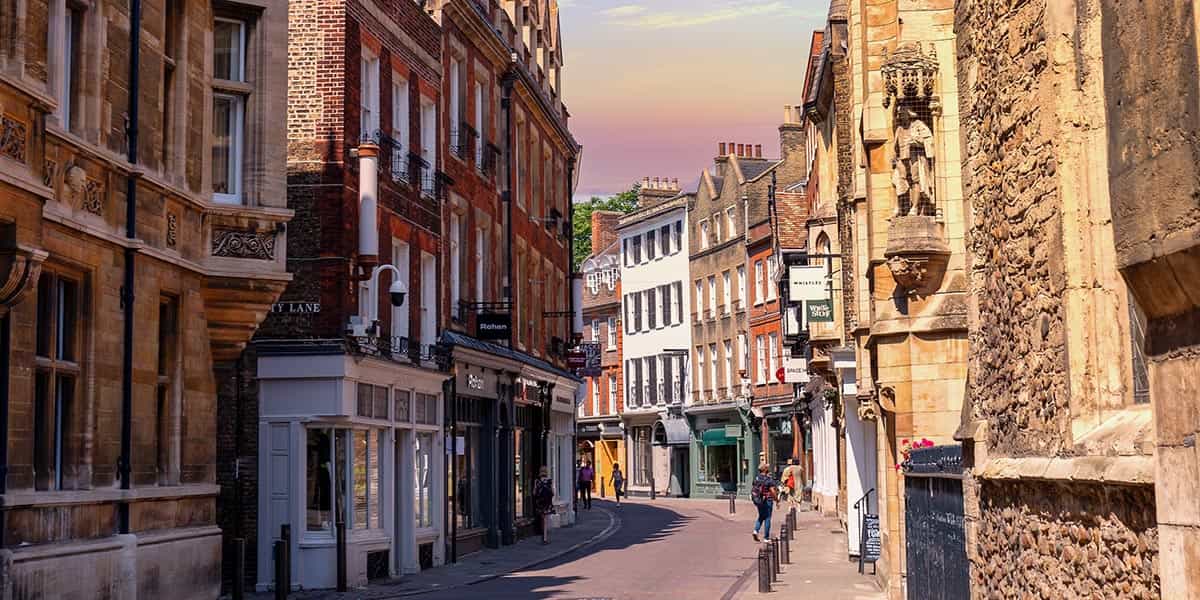
Discovering a Creative Escape in Cambridge
Kettle’s Yard is a modern and contemporary art gallery and historic house in Cambridge, forming part of the University of Cambridge. The site combines free changing exhibitions with a preserved domestic art collection, offering an alternative to the traditional museum experience. Its programme focuses on early 20th-century Modernist art, with particular attention to British artists. Today, the gallery is directed by Andrew Nairne.
Origins and Vision
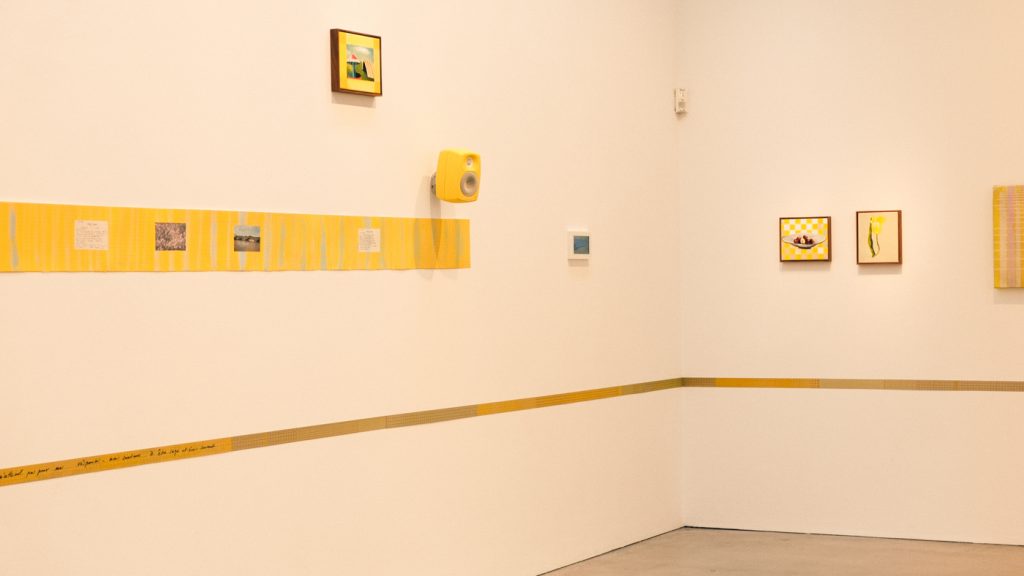
Kettle’s Yard began as the home of Jim Ede, a former Tate Gallery curator active during the 1920s and 1930s. In 1956, Ede transformed four small workers’ cottages into a living exhibition space designed to integrate art into daily life. He opened the house each evening to students, personally guiding visitors through the collection in an informal setting.
Ede described the house as a living place where works of art could be enjoyed without the austerity of a museum. He and his wife lived among the artworks for ten years before donating the property to the University of Cambridge in 1966. A purpose-built Modernist exhibition gallery was later added in 1970, expanding public access while preserving the character of the original home.
Atmosphere and Experience
The experience at Kettle’s Yard remains intentionally intimate. Visitors move through domestic rooms rather than formal galleries, encountering artworks placed alongside furniture, plants, stones, and natural objects. The arrangement encourages slow observation and quiet contemplation.
Entry to the house is limited to small timed groups, and spaces can feel compact. This constraint contributes to the atmosphere, reinforcing the sense of entering a lived-in artistic environment rather than a conventional museum.
Permanent Collection
The permanent collection includes paintings, sculpture, furniture, glass, and carefully selected natural materials arranged throughout the house. Works by artists such as Barbara Hepworth, Henry Moore, Joan Miró, Constantin Brâncuși, and Henri Gaudier-Brzeska are displayed as part of everyday living spaces rather than isolated exhibits. The presentation reflects Jim Ede’s belief that art should coexist naturally with daily life.
Exhibitions, Events, and Learning
Alongside the historic house, the exhibition galleries host a rotating programme of contemporary shows featuring both emerging and established artists. Concerts and live performances continue Ede’s belief in the relationship between music and visual art.
A four-floor education wing supports public engagement through talks, workshops, and learning programmes aimed at widening access to modern art. Regular family activities and creative sessions make the gallery accessible to younger visitors.
Visitor Information
Entry to the exhibition galleries is free, while access to the house requires a timed ticket. Visits take place at set intervals with small guided groups to preserve the atmosphere and protect the collection. General admission costs £10 with an optional £2 donation, while under-25s and University of Cambridge students enter free.
Last entry is at 4pm. The gallery is closed on Mondays and typically open Tuesday to Sunday from 1:30pm to 4:00pm. Due to limited space, large bags are not permitted inside the house.
Café and Facilities
An on-site café provides a relaxed setting for refreshments after exploring the galleries. Offering solid food and drink options, it serves as a natural pause point and a calm conclusion to the visit.
Nearby Places to Explore
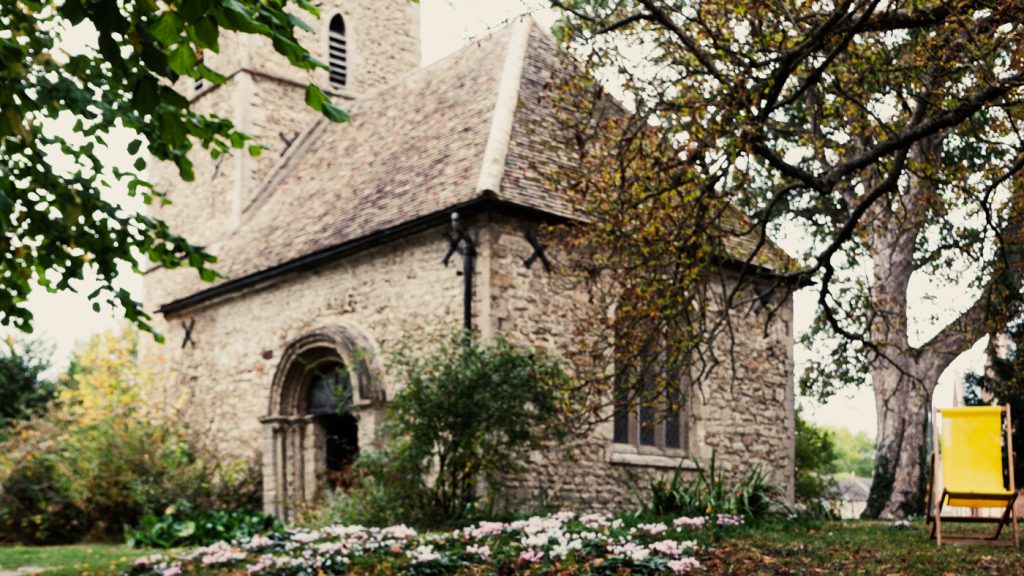
Kettle’s Yard sits close to several historic and cultural landmarks, including Castle Hill and the Museum of Cambridge. Visitors can continue towards Jesus Green or the Quayside, both popular areas for riverside walks and punting.
Plan Your Visit
Kettle’s Yard remains a rare hybrid of home, gallery, and educational space. Its atmosphere is serene, reflective, and personal in scale. Just a short walk from central Cambridge, it offers a quiet cultural escape hidden behind a modest façade.
[post_title] => Kettle’s Yard [post_excerpt] => Kettle’s Yard, the University of Cambridge's modern and contemporary art gallery, is a stunning house with an exceptional collection of modern art. Alongside the house, the gallery hosts a dynamic range of exhibitions showcasing both modern and contemporary works [post_status] => publish [comment_status] => closed [ping_status] => closed [post_password] => [post_name] => kettles-yard [to_ping] => [pinged] => [post_modified] => 2026-02-23 14:28:55 [post_modified_gmt] => 2026-02-23 14:28:55 [post_content_filtered] => [post_parent] => 0 [guid] => http://remember-cambridge.local/?post_type=attraction&p=624 [menu_order] => 0 [post_type] => attraction [post_mime_type] => [comment_count] => 0 [filter] => raw ) 1 -->
-
Kettle’s Yard
-
Jesus Green