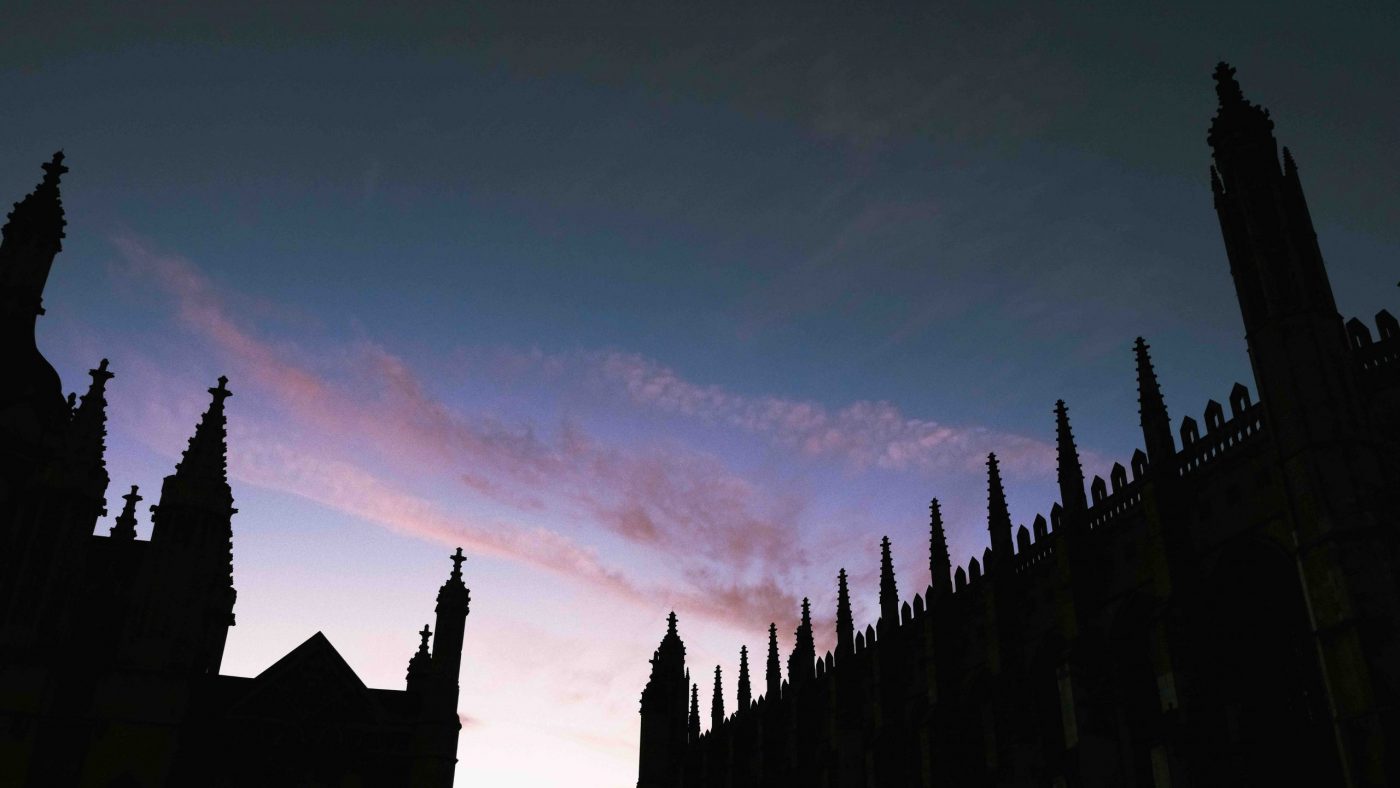
What are the May Ball Fireworks?
The May Ball Fireworks are held annually during the final week of term at Cambridge. During this period, each college hosts end-of-term parties for students to celebrate a completed year. Some will return next year, while final-year students celebrate the end of their time at Cambridge.
Originally held in May, they were later pushed back until late June to prevent exam-stressed students from being distracted. This timing has become tradition, and the period now sees students unwinding after a long academic year of intense study, followed by celebrations and social gatherings around the city.
Dates & Times
The May Ball Fireworks are held annually in the third week of June. Trinity College hosts its display on Monday, followed by St. Johns on Tuesday. Both displays begin once the sun has fully set, around 9:30pm, though boats typically arrive much earlier to secure the best viewing positions.
Boats usually begin arriving around 7pm. The display ends around 10pm, with each lasting between 15-20 minutes.
Trinity vs. St. Johns: Which Should You Choose?
Trinity College typically offers the superior fireworks display. It lasts longer, features pyrotechnics that sync with music, and—importantly—launches directly over the water. Viewers on punts experience the fireworks overhead, creating a more immersive experience.
St. Johns sets its display further back from the river. This positioning, combined with the placement of trees along the bank and the greater distance involved, results in a less immersive experience compared to Trinity.
Both colleges are well-resourced, but Trinity is rumoured to consistently outspend St. Johns each year—a pattern rooted in the century-old rivalry between the two institutions. As a result, Trinity’s Monday display attracts larger crowds and delivers a stronger performance, while St. Johns’ Tuesday event tends to be quieter with a marginally weaker display.
What to Expect
Boats begin arriving around 7pm to secure the best viewing spot. As more boats arrive throughout the evening, the river becomes gridlocked with punts and passengers sitting alongside each other, sharing drinks and picnics until the display begins.
The Pimm’s punt typically makes an appearance during this time, selling alcohol and soft drinks and can be accessed by hopping across the boats.
One crucial point that is often overlooked involves the practical realities of the event. There are no public toilets on the river, in addition to the long wait and drinking on a boat. Since the gathering is unofficial, viewers must manage this need independently. Most people use the secluded willow trees along the bank, though security sometimes attempts to restrict this. Another alternative involves using a blanket and bottle, but this may not be acceptable to everyone.
The display itself begins when students from inside the Ball arrive on the lawn, followed by music and a burst of pyrotechnics.
What to Bring & Safety Tips
Bring a blanket or warm clothes for when the sun has fully set. Food and drink are always welcome additions. Some people bring speakers, though others may not appreciate this depending on volume and musical selection.
Best Viewing Spots
Trinity College offers a better, unrestricted view compared to St. Johns. The wide stretch of river outside the Wren Library runs directly next to where the display takes place and offers mostly unrestricted views. Since the fireworks launch from the same spot each year, experienced guides can predict the optimal position; however, there is little difference in viewing quality as long as you are positioned outside the Wren and not pushed into the S-bend by St. Johns.
St. Johns is more difficult to navigate due to the large trees that block the lawn, the greater distance from the river involved, and the fact that the launch location changes each year. Once the first firework is lit, boats will shift and move to find better positions unblocked by tree branches. The experience and skill of your guide directly affects your chances of seeing the display clearly rather than obstructed by vegetation.
If you are in a rush to return, keep in mind that boats positioned at the river’s edges will depart first, while those in the middle will need to wait an additional 10-20 minutes for the river to clear.
Hiring a Punt
Self-hire punts are no longer available due to too many attempted break-ins over the fence. Instead, you can rent a full private boat or join a shared tour from the punting companies operating on the river. Prices vary, with more experienced guides knowing the best spots from previous years and being able to confidently navigate the busy river and manage the rush back.
Taking Your Own Boat
Some people take their own boats, canoes, paddleboards, and other floating devices to the event. The river is public and open to all. The only restriction is motor vehicles.
Be advised that the river becomes extremely congested, with large, heavy punts squashed together. If you plan to join the gathering in something inflatable, there is a genuine risk of being caught between other boats or pushed out of position during the rush back.
Getting Back
Once the display ends, there is a hectic rush back to the punt stations on either end of the river. This occurs partly due to the lack of toilets at the event and partly due to a long-standing tradition of punters competing to be “first back to the station.” Be prepared to be jostled and politely moved out of the way by punters focused on getting their customers back to facilities.