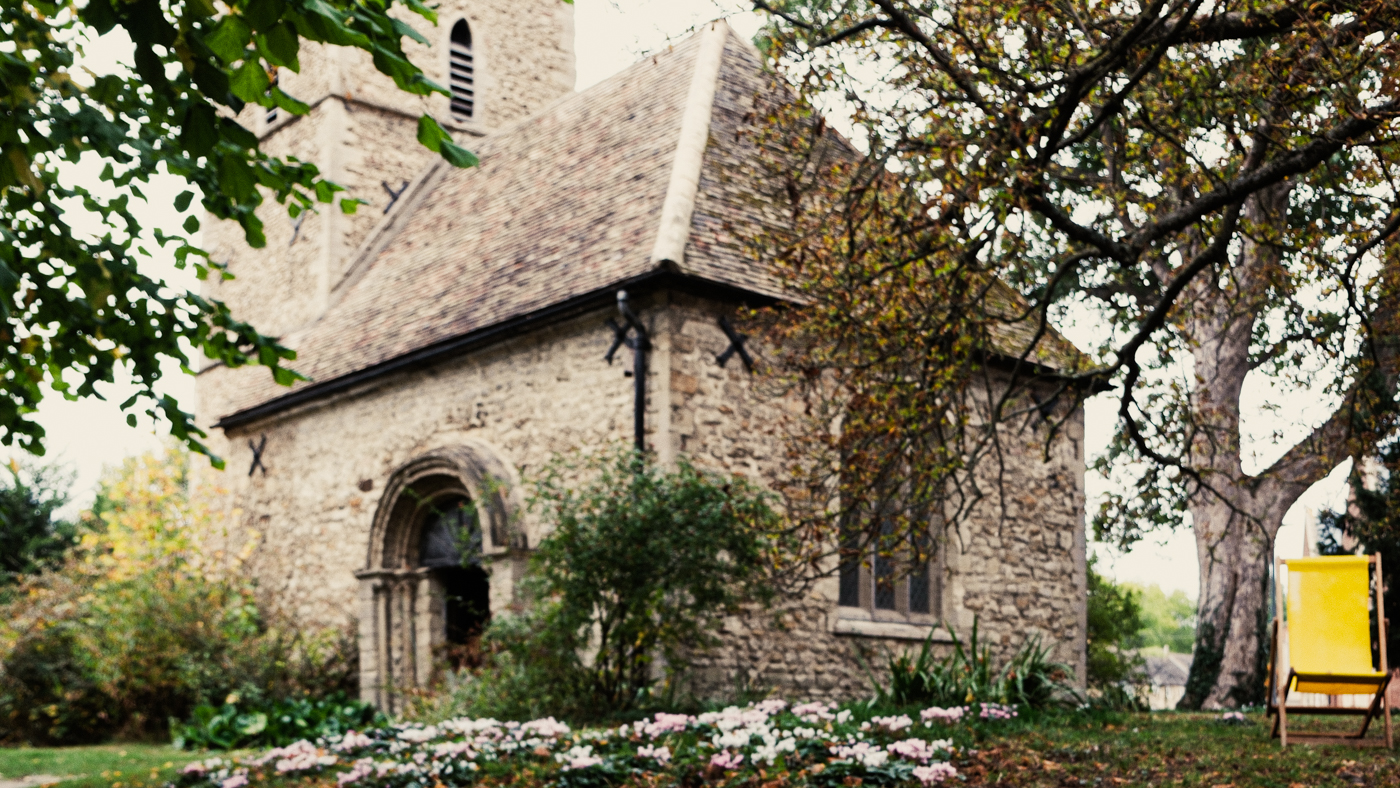
Discovering a Creative Escape in Cambridge
Kettle’s Yard is a modern and contemporary art gallery and historic house in Cambridge, forming part of the University of Cambridge. The site combines free changing exhibitions with a preserved domestic art collection, offering an alternative to the traditional museum experience. Its programme focuses on early 20th-century Modernist art, with particular attention to British artists. Today, the gallery is directed by Andrew Nairne.
Origins and Vision
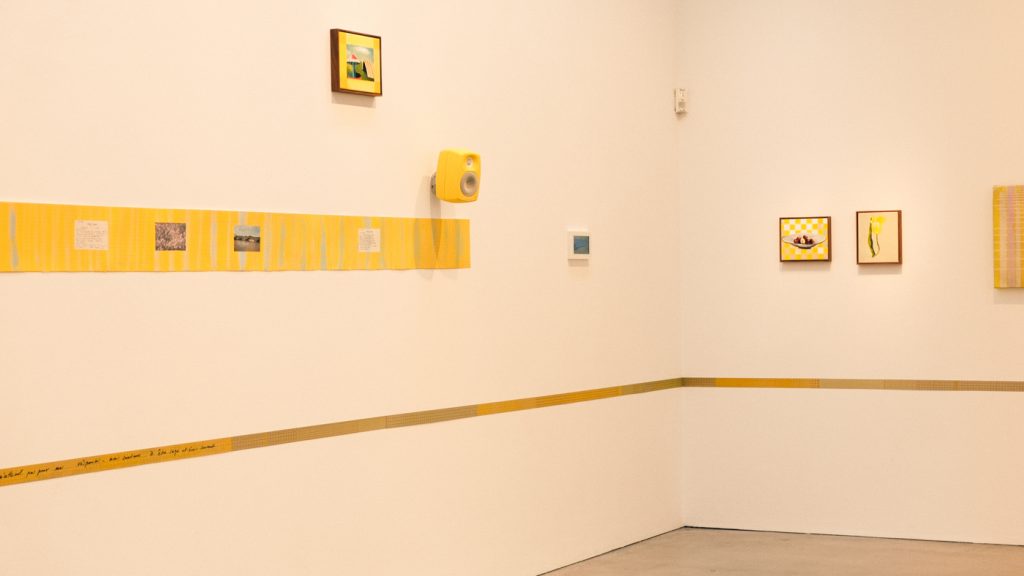
Kettle’s Yard began as the home of Jim Ede, a former Tate Gallery curator active during the 1920s and 1930s. In 1956, Ede transformed four small workers’ cottages into a living exhibition space designed to integrate art into daily life. He opened the house each evening to students, personally guiding visitors through the collection in an informal setting.
Ede described the house as a living place where works of art could be enjoyed without the austerity of a museum. He and his wife lived among the artworks for ten years before donating the property to the University of Cambridge in 1966. A purpose-built Modernist exhibition gallery was later added in 1970, expanding public access while preserving the character of the original home.
Atmosphere and Experience
The experience at Kettle’s Yard remains intentionally intimate. Visitors move through domestic rooms rather than formal galleries, encountering artworks placed alongside furniture, plants, stones, and natural objects. The arrangement encourages slow observation and quiet contemplation.
Entry to the house is limited to small timed groups, and spaces can feel compact. This constraint contributes to the atmosphere, reinforcing the sense of entering a lived-in artistic environment rather than a conventional museum.
Permanent Collection
The permanent collection includes paintings, sculpture, furniture, glass, and carefully selected natural materials arranged throughout the house. Works by artists such as Barbara Hepworth, Henry Moore, Joan Miró, Constantin Brâncuși, and Henri Gaudier-Brzeska are displayed as part of everyday living spaces rather than isolated exhibits. The presentation reflects Jim Ede’s belief that art should coexist naturally with daily life.
Exhibitions, Events, and Learning
Alongside the historic house, the exhibition galleries host a rotating programme of contemporary shows featuring both emerging and established artists. Concerts and live performances continue Ede’s belief in the relationship between music and visual art.
A four-floor education wing supports public engagement through talks, workshops, and learning programmes aimed at widening access to modern art. Regular family activities and creative sessions make the gallery accessible to younger visitors.
Visitor Information
Entry to the exhibition galleries is free, while access to the house requires a timed ticket. Visits take place at set intervals with small guided groups to preserve the atmosphere and protect the collection. General admission costs £10 with an optional £2 donation, while under-25s and University of Cambridge students enter free.
Last entry is at 4pm. The gallery is closed on Mondays and typically open Tuesday to Sunday from 1:30pm to 4:00pm. Due to limited space, large bags are not permitted inside the house.
Café and Facilities
An on-site café provides a relaxed setting for refreshments after exploring the galleries. Offering solid food and drink options, it serves as a natural pause point and a calm conclusion to the visit.
Nearby Places to Explore
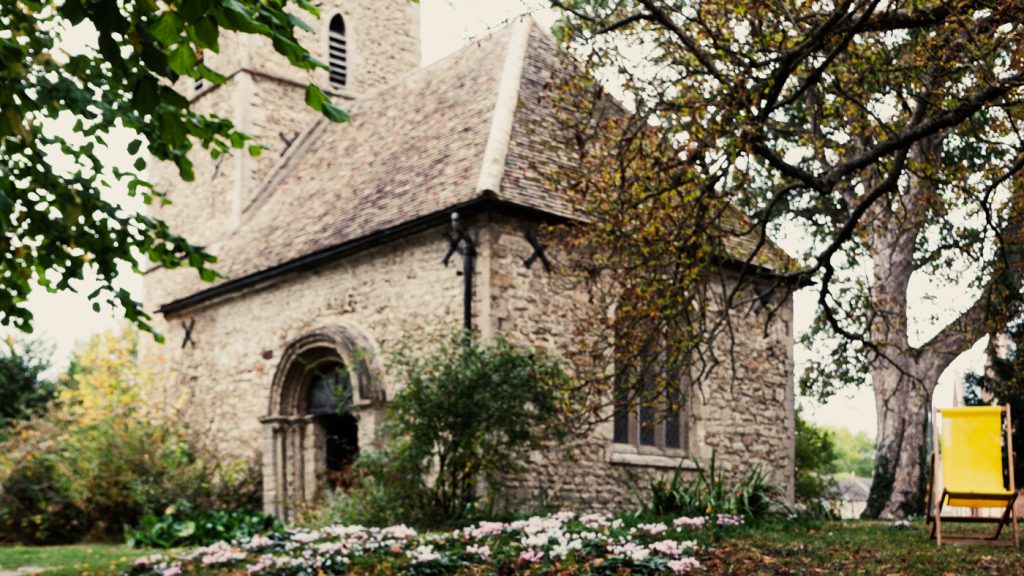
Kettle’s Yard sits close to several historic and cultural landmarks, including Castle Hill and the Museum of Cambridge. Visitors can continue towards Jesus Green or the Quayside, both popular areas for riverside walks and punting.
Plan Your Visit
Kettle’s Yard remains a rare hybrid of home, gallery, and educational space. Its atmosphere is serene, reflective, and personal in scale. Just a short walk from central Cambridge, it offers a quiet cultural escape hidden behind a modest façade.