-
Market Square
Key Information
Just north of the city centre and a short stroll from the colleges, Jesus Green is where Cambridge slows down. Bordered by the River Cam and lined with leafy plane trees, it’s a peaceful, spacious park where locals come to breathe, stretch their legs, and watch the water drift by.
Price
Free
Jesus Green: Riverside Calm in the Heart of Cambridge
Just north of the city centre and a short stroll from the colleges, Jesus Green is where Cambridge slows down. Bordered by the River Cam and lined with leafy plane trees, it’s a peaceful, spacious park where locals come to breathe, stretch their legs, and watch the water drift by. Less busy than Parker’s Piece and more relaxed than the Backs, it’s the perfect spot if you’re looking for a quiet place to unwind with a book or a picnic blanket.
What Makes It Special
Jesus Green is long and open, stretching from Jesus College at one end to the River Cam at the other. It has a kind of quiet charm — wide pathways for walking or cycling, benches under tall trees, and that always-soothing presence of water nearby. You’ll often see people playing frisbee or walking dogs, and in summer, the grass becomes dotted with picnics and portable speakers playing soft background music.
One of the highlights here is Jesus Green Lido, one of the longest outdoor pools in Europe. Open seasonally, it’s perfect for a refreshing swim when the weather warms up, and it has a loyal following of cold-water swimmers in the early morning hours. The park also has tennis courts and a small skate park — but nothing feels crowded or overdone. It’s green space with room to breathe.
History and Background
Jesus Green was once part of nearby Midsummer Common but was separated by the construction of Victoria Avenue in the 19th century. It became a public park not long after and has kept that old-fashioned, open feel ever since. The area gets its name from Jesus College, which still sits just across the road, with its iconic chapel tower peeking over the treetops.
Historically, this part of the Cam was used for bathing and recreation — and in many ways, not much has changed. People still flock to the river to sit on the bank, feed the ducks, or watch the punting tours drift by.
When to Visit and Getting There
Jesus Green is open all day, every day — there are no gates or entrance fees. It’s easily walkable from the city centre, especially if you’re coming from Bridge Street or Jesus Lane. If you’re arriving from the train station, it’s about a 20-minute walk, or you can cycle there in under ten minutes. The paths are wide and flat, making it perfect for bikes and prams.
The nearest car park is on Park Street, but it’s often easier to walk or use public transport, especially during busy weekends or sunny afternoons.
What’s Nearby
Jesus Green is in a great spot if you want to blend park time with a bit of city exploring. Just across the river is Midsummer Common, where you’ll often find cows grazing freely — one of those charming, very Cambridge sights. On the eastern side of the park, the River Cam offers punting tours, and you can often rent a boat right from the quayside near Jesus Lock.
Follow the river path west and you’ll end up near Quayside and Magdalene Bridge, home to independent shops, riverside pubs, and some of the best punting views in town. Just beyond that is the bustling city centre, where you can dip into museums, colleges, or grab coffee from a side-street café.
Final Thoughts
Jesus Green isn’t flashy — and that’s exactly why people love it. It’s the kind of place that doesn’t demand anything from you. It invites you to pause, breathe, and simply enjoy where you are. Whether you’re laying in the grass listening to the breeze, wandering along the riverbank, or watching rowers glide by in the early evening light, Jesus Green offers a slice of Cambridge life at its most peaceful.
Perfect for lazy afternoons, morning walks, or just finding your own quiet corner of the city.
Directions
Jesus Green
-
Cambridge
-
CB5 8BL
More Attractions
More Cambridge In Attractions You might Like
A Crusader Church in the Heart of Cambridge
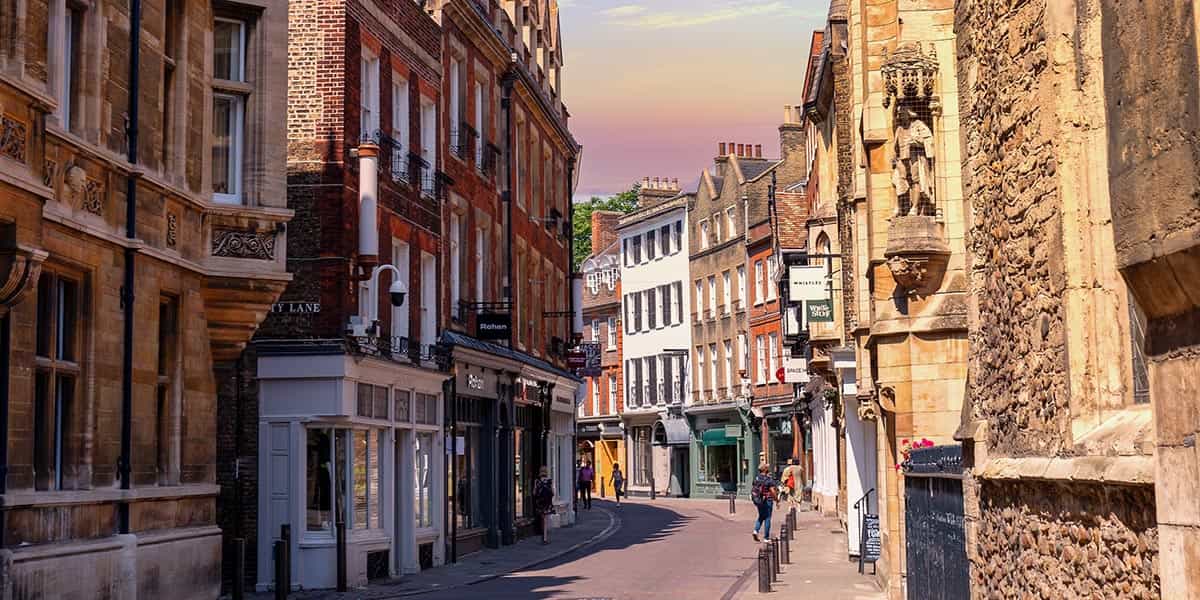
The Round Church sits at a busy junction just outside central Cambridge, and it’s easy to miss how old it is until you stop and look. Founded between 1114 and 1131 by the Brotherhood of the Holy Sepulchre, it was built by returning Norman crusaders and modeled on the Church of the Holy Sepulchre in Jerusalem, believed to stand over the tomb of Jesus. The circular layout comes from that original 4th-century design.
From the pavement, the building’s shape is immediately distinctive. The stone exterior is pale and weathered, with surfaces worn smooth by centuries of exposure. Traffic moves constantly around it, but the church itself feels self-contained — a medieval island in a modern road system.
Reading the Norman Architecture
This is one of the best-preserved Norman buildings in England, and many details are still easy to spot without specialist knowledge. The entrance arch shows classic zigzag carving, and above the doorway you can see dogtooth ornament — patterns influenced by designs crusaders encountered in the Middle East.
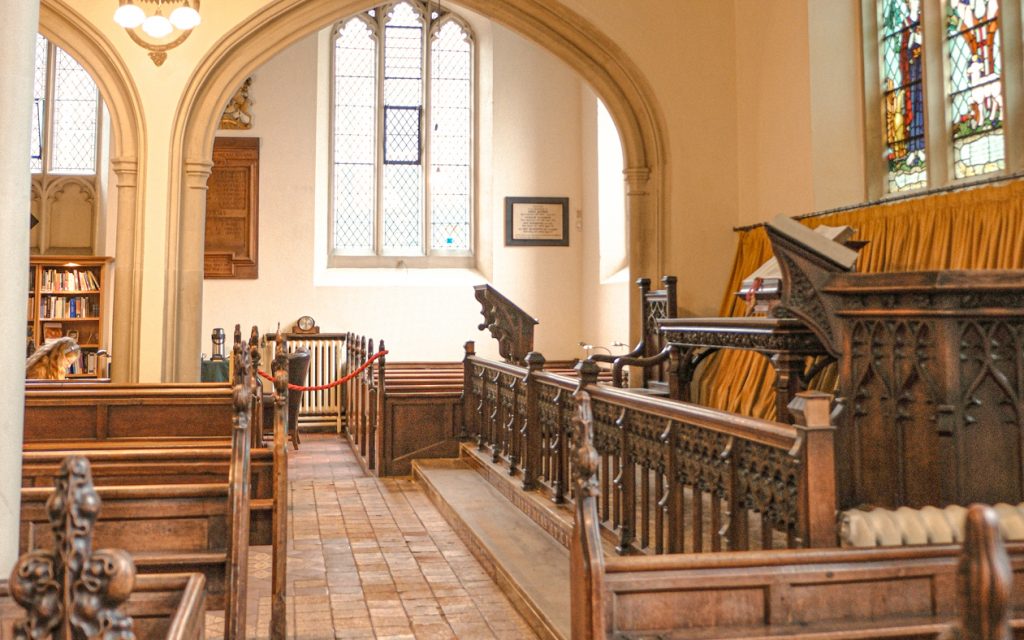
Inside, the temperature drops noticeably, even in summer. The thick walls hold cool air, and sound carries softly in the circular space. The heavy columns and rounded arches are practical Norman engineering: solid, load-bearing, and built to last. Natural light enters unevenly through the upper windows, creating alternating bright and shaded areas as you move around the interior.
A Medieval Boundary Marker
In medieval Cambridge this church marked the northern edge of town. Travelers arriving or leaving would stop here to give thanks. Today it still sits on a transitional edge — close to shops and cafés, but slightly removed from the main tourist flow.
The building was originally maintained by monks from St John’s Hospital before becoming a parish church, tying it directly to Cambridge’s early medical and charitable history.
Collapse and Victorian Restoration
A tower added in the 15th century collapsed in 1841 after being extended too heavily in Gothic style. Victorian restoration aimed to recover the earlier medieval appearance, guided in part by the Cambridge Camden Society.
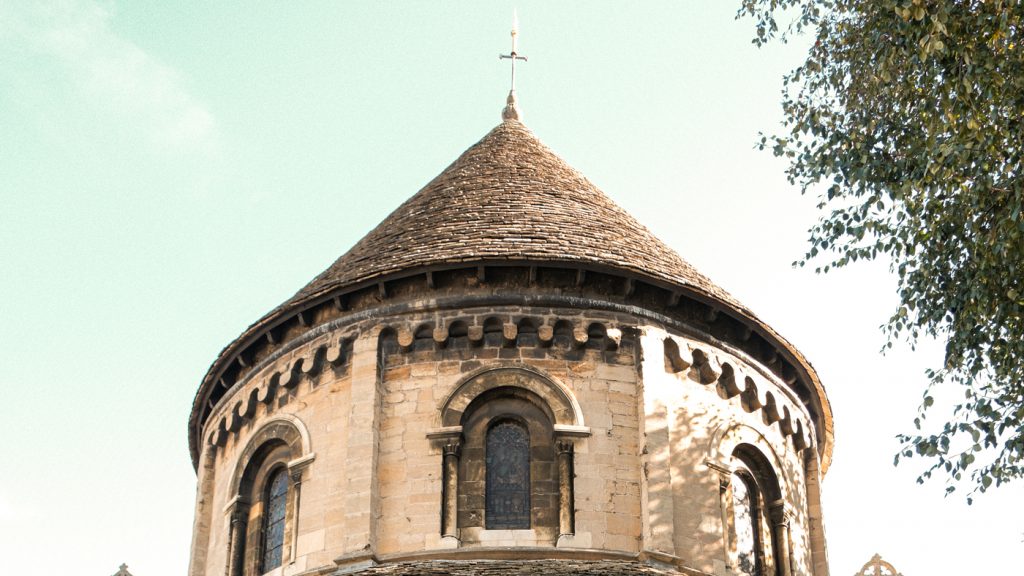
Some decorative features you see today — including carved heads looking down from above — are Victorian additions rather than Norman originals. The stained glass largely dates from restoration between 1841 and 1843 and gives the interior a warmer tone than bare stone alone would provide.
Civil War Damage and Rare Survivals
Much of the medieval decoration was destroyed during the English Civil War. On 3 January 1644, Parliamentarian commander William Dowsing ordered the removal of fourteen windows and sculptures. Only four upper-story windows from around 1400 survived.
Look up at the timber roof: wooden angels carved in the 15th century remain in place. These are rare survivals from a period when religious imagery was widely destroyed. They hold musical instruments — a lute and a flute — and are easiest to see from the center of the nave.
Wartime Damage and Post-War Repairs
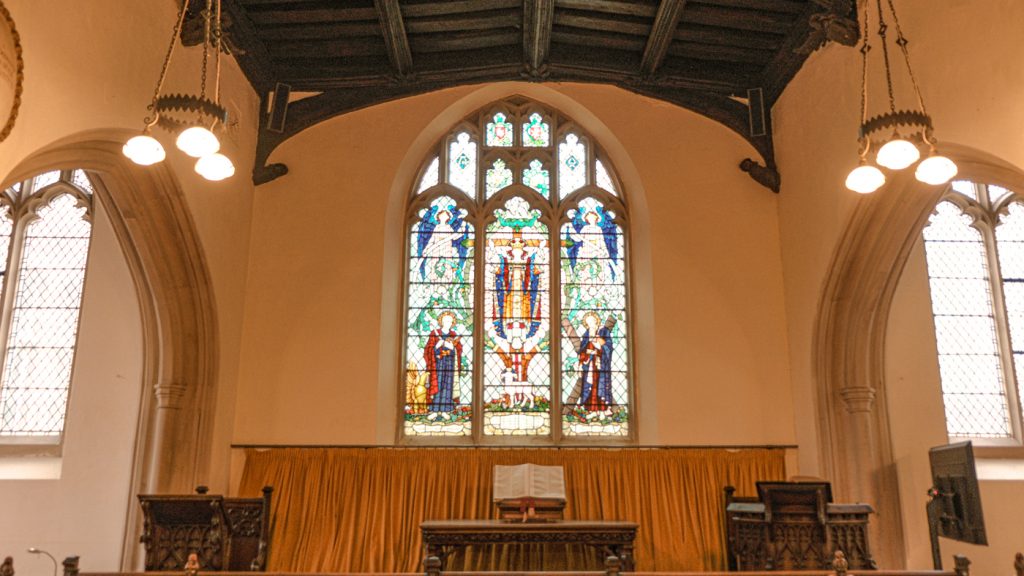
The church was damaged again in a 1942 air raid that hit 127 Cambridge buildings. The east window, installed in 1946, contains dense biblical symbolism and stands out for its color intensity when sunlight passes through.
Underfoot are Victorian encaustic tiles, among the first commercially produced in Britain. The repeating symbols of the four Gospels — man, lion, bull, eagle — are still clear despite wear from foot traffic.
Royal Connections and Small Details to Notice
Two royal coats of arms commemorate Prince Albert and Queen Victoria’s reopening of the church in 1843. A worn tile marks their earlier 1840 visit — easy to overlook unless pointed out by staff or signage.
Outside, fountain-pen-shaped bollards reference the literacy legacy of Samuel Pepys. They’re a small modern addition that contrasts with the medieval structure and are a quick photo stop.
Visiting Information
The Round Church is the second most visited site in Cambridge after King’s College Chapel and now functions as a heritage centre with exhibitions on England’s religious history. Expect a quiet interior even when busy; the circular layout disperses sound, so conversations remain low and echo lightly.
Plan for about 30–45 minutes to explore properly, including displays. The church is compact, so it works well as a short stop between larger Cambridge attractions, but the architectural details reward slow observation. Even on a crowded day outside, the interior remains calm and cool — a practical refuge as well as a historical site.
Opening Times
- Tuesday: 1:30 PM – 4:00 PM (last entry at 3:45 PM)
- Wednesday to Saturday: 10:00 AM – 5:00 PM (last entry at 4:45 PM)
- Sunday and Monday: Closed (except for occasional events)
Opening times may vary on holidays or for special events. It’s advisable to check their official website before your visit.
Directions
You can reach the church easily from central Cambridge on foot. The nearest car park is Park Street Car Park, and several bus routes serve the area. It’s about a 15-minute walk from Cambridge train station.
Address : The Round Church, Bridge Street, Cambridge, CB2 1UB
[post_title] => The Round Church [post_excerpt] => The Round Church, officially known as the Church of the Holy Sepulchre, is one of the oldest buildings in Cambridge, dating back to 1130. It is renowned for its unique round shape, inspired by the Church of the Holy Sepulchre in Jerusalem. [post_status] => publish [comment_status] => closed [ping_status] => closed [post_password] => [post_name] => round-church [to_ping] => [pinged] => [post_modified] => 2026-02-08 17:07:02 [post_modified_gmt] => 2026-02-08 17:07:02 [post_content_filtered] => [post_parent] => 0 [guid] => http://remember-cambridge.local/?post_type=attraction&p=619 [menu_order] => 0 [post_type] => attraction [post_mime_type] => [comment_count] => 0 [filter] => raw ) 1 -->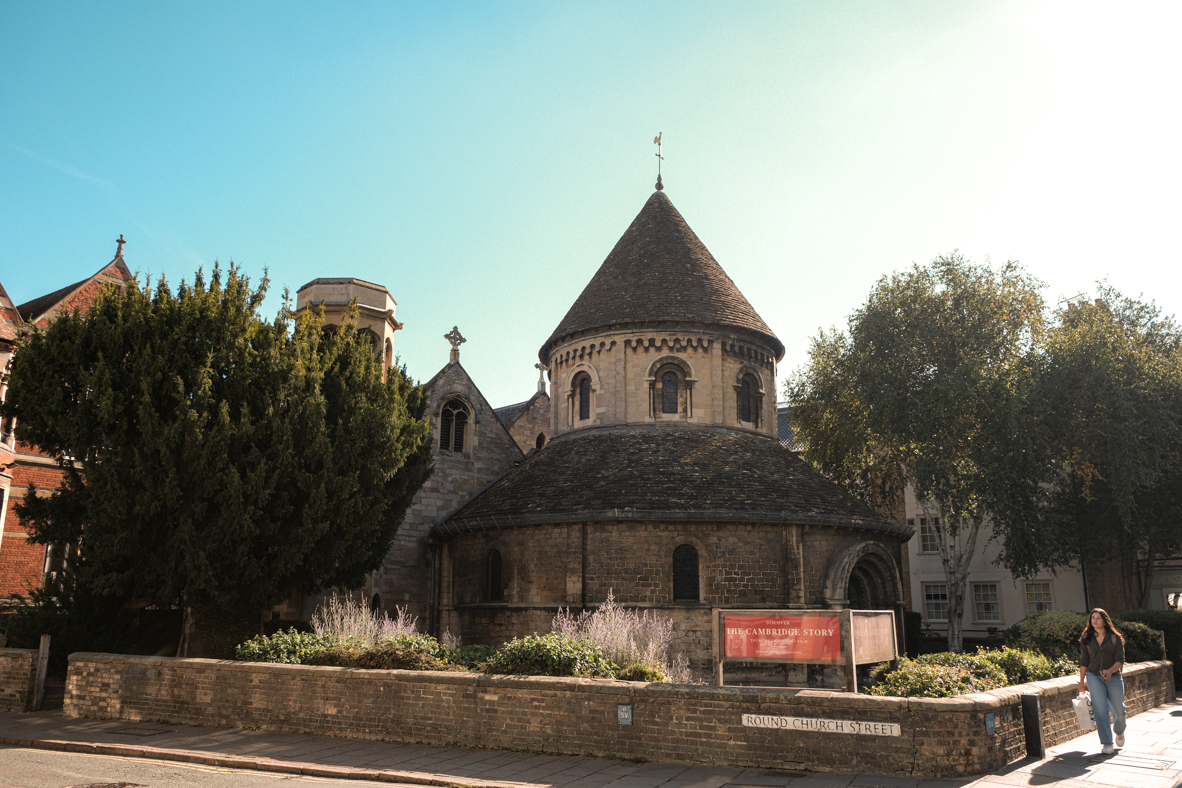
-
The Round Church
The Fitzwilliam Museum is a rewarding stop for any visitor. The grand building alone is worth the visit, with interiors that feel more like a palace than a museum. Inside, the Fitzwilliam serves as the University’s treasure house, holding an extraordinary range of displays, from Ancient Egyptian relics and medieval armour to European ceramics and contemporary art. Free to visit and just a short walk from King’s Parade, the Fitzwilliam offers visitors a warm introduction to some of the University’s most treasured artifacts.
What's on display
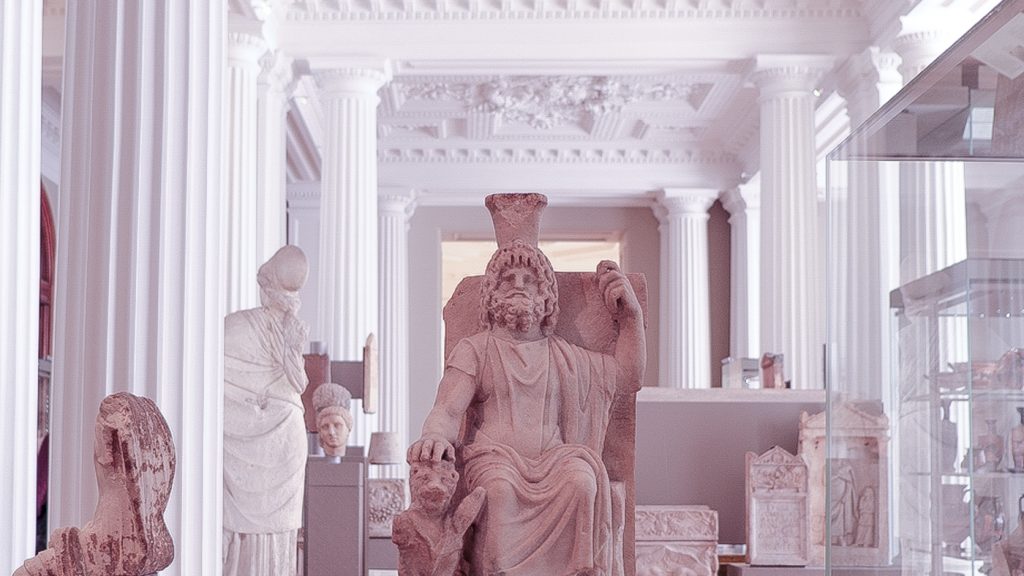
The Fitzwilliam’s collection spans both centuries and continents, offering visitors an unexpectedly wide range of treasures. Its galleries include paintings by major Italian masters such as Titian, Veronese, Tintoretto and Canaletto, alongside a strong display of Dutch works and Delft earthenware that reflect the museum’s historical Dutch connections.
Fitzwilliam also bequeathed an outstanding collection of Handel memorabilia, adding a musical dimension to the displays. Among the most curious objects are coins from the reign of Ögedei, son of Genghis Khan, once strung together through their square centers — a feature often linked to the origin of the phrase “strapped for cash.”
In the main entrance hall stands a bust of the radical MP John Tooke, a noted supporter of the American rebels during the War of Independence, alongside a sculpture of Prince Albert added in the 1870s.
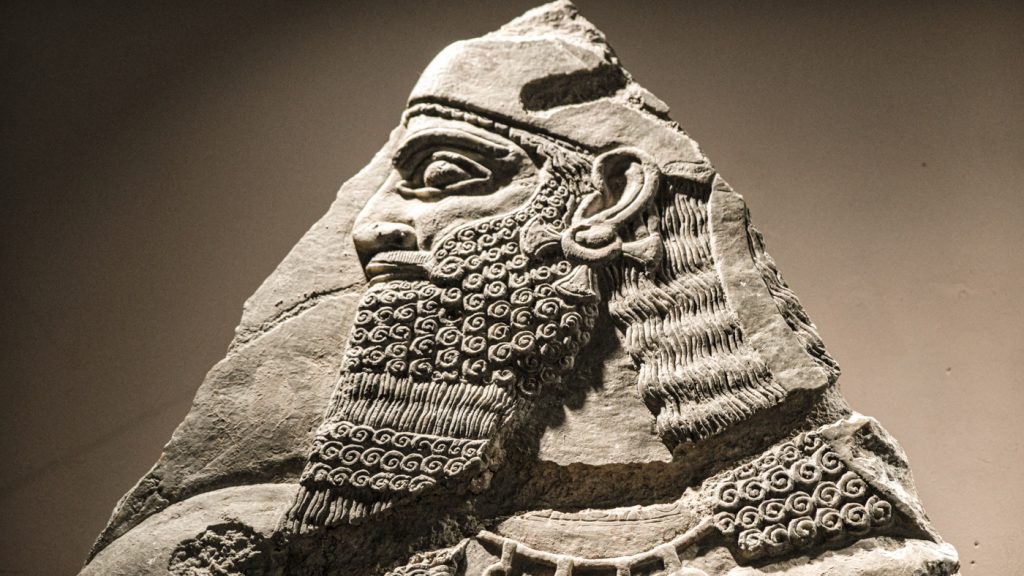
Visitors can also explore Ancient Egyptian artifacts, medieval weapons and armour, and an extraordinary coin collection enriched by Professor Grierson of Gonville & Caius, whose donation alone was valued at over £5 million.
Foundation
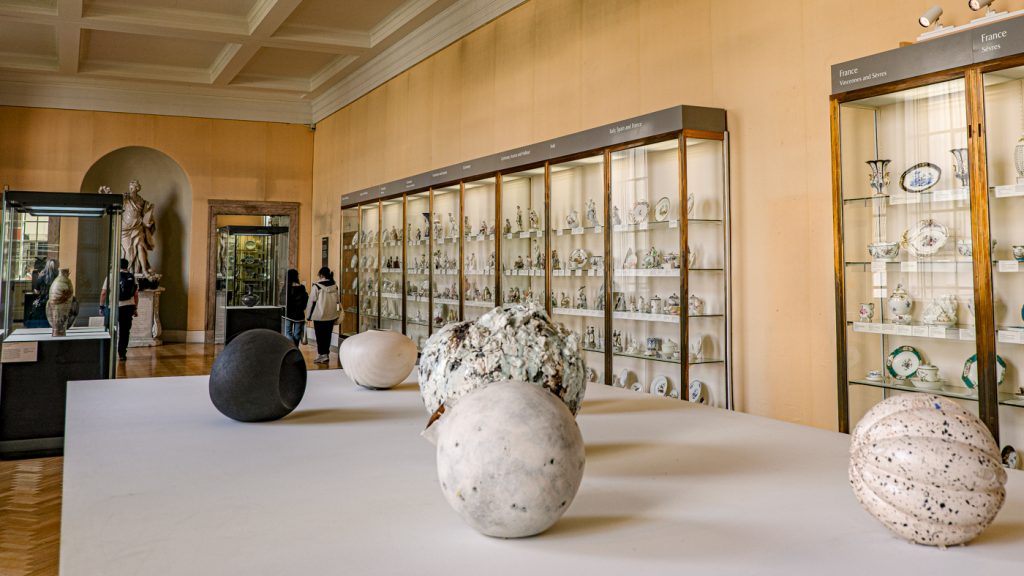
Founded via bequest by Richard FitzWilliam in 1816, whose family wealth helped fund the museum's creation. Drawing on Dutch-linked fortunes, the Fitzwilliams provided an initial £100,000 to establish and build the museum. It was later strengthened by major philanthropy, including a gift of just under $20,000,000 from an American industrialist.
A portrait of Richard Fitzwilliam hangs in the main entrance hall. In his will, Fitzwilliam stipulated that the painting must never leave the building. Another portrait linked to Fitzwilliam is associated with the phrase “costing an arm and a leg,” as the sitter’s limbs were deliberately hidden behind a gown to reduce the expense of painting the arms.
The building
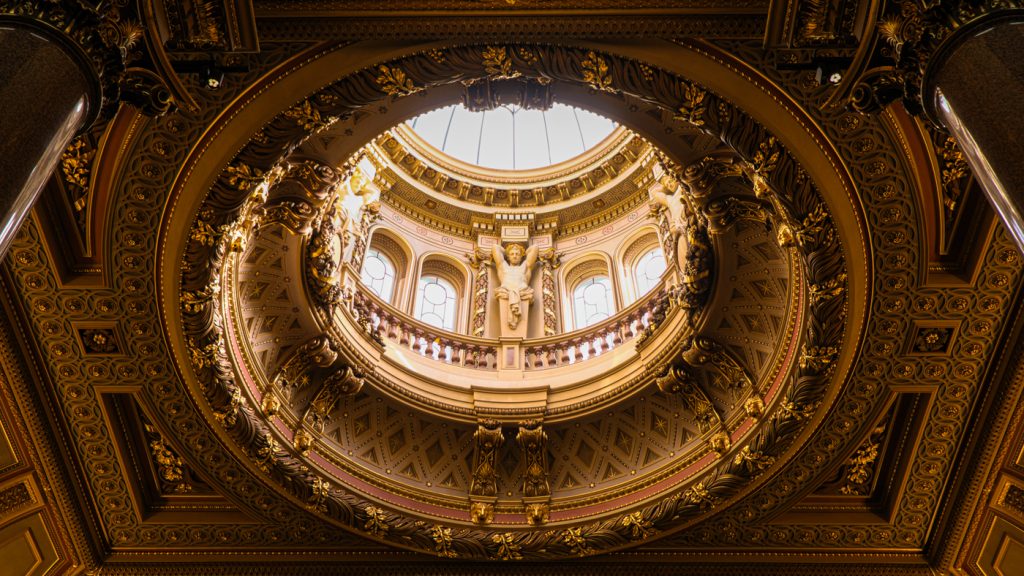
Museum designs began in 1835, with the original plans drawn up by George Basevi, who died after a fall from scaffolding at Ely Cathedral. His successor in the project also died while in office, delaying progress further. The building was eventually completed by Edward Middleton Barry in 1875.
The Fitzwilliam stands as a Grade I listed building, designed in a grand Baroque style with strong Greco-Roman precedents. Its architecture reflects a significant Italian influence brought back by architects returning from the continent at the time. This can be seen in the front pillars, which deliberately echo the Parthenon in Rome, symbolically linking Cambridge to the classical world.
The Cambridge Night climbers famously used the lions below the pillars as a starting point for the “Lion to Chimney” route. With no college porters on duty, the building was an easy target. Modern security cameras and sensors have since retired the practice.
The Fitzwilliams Role Within The University Today
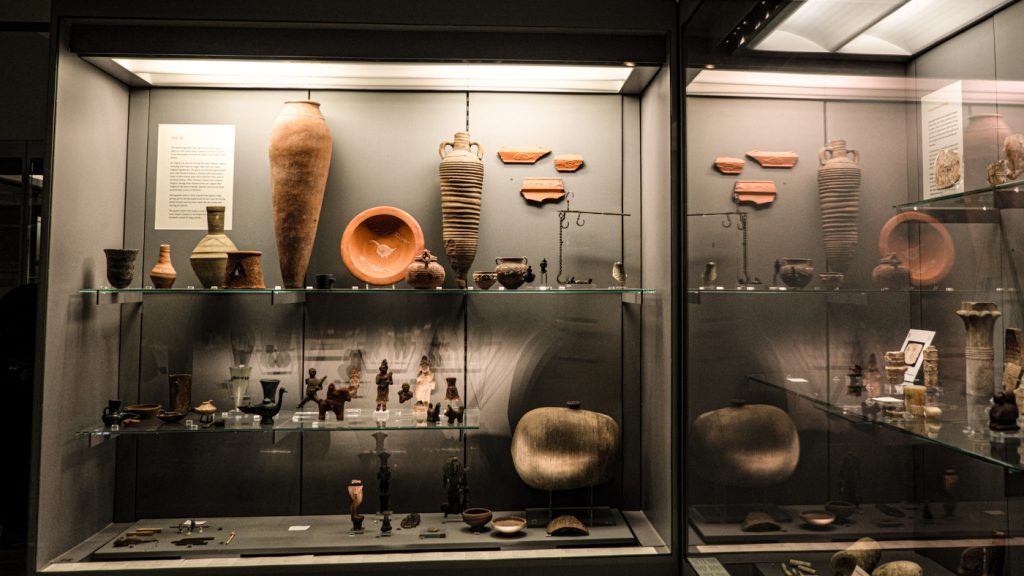
Beyond protecting Cambridge’s treasures, the museum now plays an active role in strengthening the University’s international relationships through major exhibitions. A notable example was the 2012 exhibition on Han culture, the largest of its kind ever staged outside China. Closer to home, the Fitzwilliam also runs a programme of free public lectures, extending its role as a centre of learning beyond its galleries.
Visiting Information
The Fitzwilliam Museum is a free, must-see stop in central Cambridge, a short walk from King’s Parade and the Mill Pond punting area. Even a brief visit is worthwhile, but allow 1–3 hours to explore properly.
Opening Times:
Monday : Closed
Tuesday – Saturday: 10:00 AM – 5:00 PM
Sunday: 12:00 PM – 5:00 PM
Bank holidays: 12:00 PM – 5:00 PM
Tickets:
Free
Address:
Trumpington St, Cambridge CB2 1RB
Contact:
[post_title] => Fitzwilliam Museum [post_excerpt] => The Fitzwilliam Museum in Cambridge is a renowned art and antiquities museum that houses a vast and diverse collection, including works of art, ancient artifacts, and manuscripts. [post_status] => publish [comment_status] => closed [ping_status] => closed [post_password] => [post_name] => fitzwilliam-museum [to_ping] => [pinged] => [post_modified] => 2026-02-13 21:57:58 [post_modified_gmt] => 2026-02-13 21:57:58 [post_content_filtered] => [post_parent] => 0 [guid] => http://remember-cambridge.local/?post_type=attraction&p=622 [menu_order] => 0 [post_type] => attraction [post_mime_type] => [comment_count] => 0 [filter] => raw ) 1 -->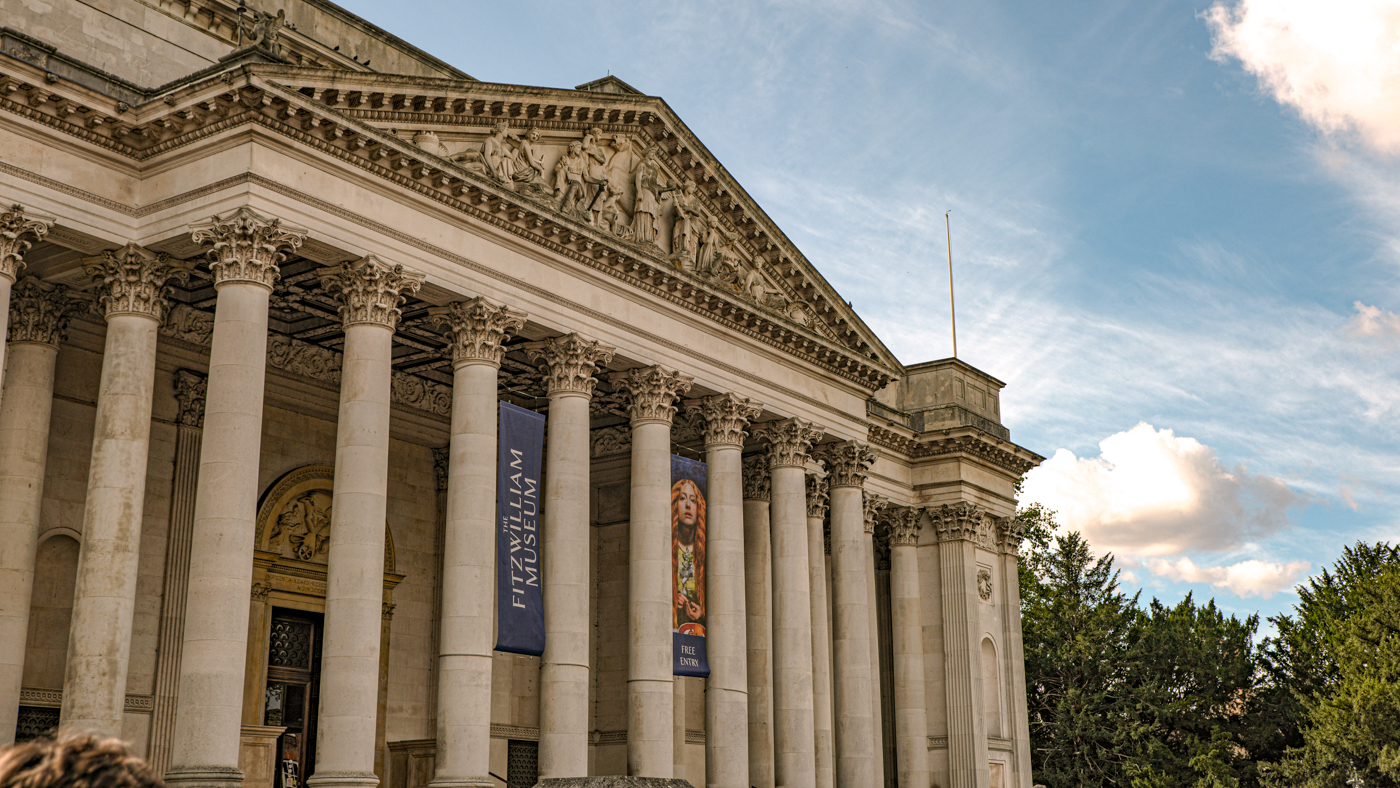
-
Fitzwilliam Museum