-
Harry Potter In Cambridge
Often the history of Cambridge after 1209 is presented as simply a story of the development of the University with the town itself largely forgotten. But, it is important to remember that in the early thirteenth century, Cambridge was a thriving town. A market of international importance and home to one of England’s largest medieval fairs on Stourbridge Common. So what happened to the townspeople after the University arrived? And how did the banks of the River Cam transform from bustling docks into serene college lands? In this post we will explore the history of early-modern Cambridge town.
A Plea of Poverty
Cambridge prospered in the twelfth and thirteenth centuries. However, fortunes started to decline during the fourteenth century. Crop failures affected the markets at the start of the century. The ever-increasing influx of students did little for the town’s economy as poor students often had very little money to spend (not too dissimilar to students today!). By 1346, the entire town avoided any contribution to the Battle of Crecy by pleading poverty because the population had such a high proportion of scholars and beggars!
And then in 1348, Cambridge was hit by the Black Death along with the rest of England. The Black Death is estimated to have killed between a third and half of the country’s population. The aftermath of the Black Death led to a surge in college foundations in the city to replace the lost priests, such as Gonville Hall (now Gonville and Cauis) and Trinity Hall. In contrast to the success of the University in these years, the town itself struggled. With so many killed in the epidemic there were not enough men to farm the surrounding countryside.
A few decades later, the people of Cambridge took part in the 1381 Peasant’s Revolt in protest against low wages. But the revolt failed and as a consequence the townspeople of Cambridge experienced reduced freedoms within the city. A revised town charter gave supervision of weights and measures, baking and brewing to the university. Effectively putting the university in control of the town’s economy.
Meanwhile, the economy of England was shifting. The focus now was more on the docks in the coastal town of King’s Lynn at the expense of inland docks like Cambridge. In Cambridge there were clear signs of stagnation in the town. The problem was worse along the River banks which became increasingly run down. This situation was made worse by the wealthy choosing to move out of what was quickly becoming a squalid town centre. Rental prices and quality were affected by the droves of poor students who were happy to take accommodation in any condition and share several to a room to save costs.
As conditions by the River continued to deteriorate, it became cheaper for large organisations to buy land for redevelopment. Consequently, this area today houses some of Cambridge’s most prestigious colleges who bought up the cheap land as they emerged. The only major building work the town saw for a while were religious houses and student hostels which brought little-to-no economic benefits to the town.
Not only did building student accommodation bring little economic benefits, it was also destructive to the town. The major university development in this period was Henry VI’s decision to build King’s College…
A Destructive Monument
Today, King’s College Chapel is the iconic image of Cambridge. An ornate gothic building overlooking the meandering river. But the true history of this building is much less known. A history of destruction.
Henry VI decided to build a Cambridge College not long after he founded Eton so students had a place to continue their studies after they graduated Eton. To build his college he bought, and demolished, a large area of the town next to the riverbank. The area included several hostels, a church, a school and half a street. A vast area of the town, all to serve just twenty scholars. It had been an area of the town where goods were unloaded from boats on the river just a short journey from the market. But now, like many other parts of the town centre, it belonged to the University.
However, initially the construction of the Chapel brought work to tradesmen of the city: freemasons were needed to shape the stone as well as the stonemasons, woodworkers and artists. But… not long into the construction of the Chapel, disaster struck. The Wars of the Roses broke out and in 1461 Henry VI was taken prisoner. At this moment work on the Chapel ceased completely and did not resume for decades. To the townspeople of Cambridge it must seem as though they had been forced from their homes for no reason!
Over the centuries the university has taken over the bustling heart of Cambridge more and more. Today, many buildings in the city centre belong to the Colleges or the University in one form or another; rented out to shops and cafes or used as student accommodation. 21st century Cambridge bears no resemblance to the thriving market town of the early thirteenth century.
A City Divided
Nothing symbolises the divide between town and gown in this city more than Reality Checkpoint: a lamppost standing in the centre of Parker’s Piece. A marker of the divide between the fantasy city of the University and the real world beyond. The lamppost itself was not built until 1890 but it represents the culmination of centuries of inequality. A process lasting hundreds of years where the university pushed out an entire town into the outskirts.
It’s a story that has significant ramifications today. Recently, in 2018, Cambridge was declared Cambridge’s most unequal city for the second year in a row. Cambridge today lies within silicon fen; a cluster of tech and life-science companies employing thousands of educated people in the area. Some of whom come from around the world to work here.
But behind the large scientific companies and the beauty of the university and beyond reality checkpoint lies a very different story. Cambridge has become a commuter town for London as it is just a 50 minute train ride outside of the capital. This, combined with the university owning large chunks of the city, has meant that house prices in the city are almost equivalent to those in London. These high living costs mean that many townspeople in the city are struggling.
But that is not to say we don’t love our city, or the university that is now such a big part of it. It is because of the university that this city has seen so many innovative developments such as Hobson’s Conduit or Cambridge Biomedical Campus. And for many Cambridge locals, tourism has become a lifeline. Thousands of local people are employed to support a tourism industry that sees millions of tourists pass through annually. But in 2021, when the Covid-19 pandemic has brought international tourism to an abrupt pause… what happens to the people in our beautiful city?
Read our next post to return to the story of Cambridge University and how it navigated the industrial era.
More articles
Harry Potter was not filmed in Cambridge, we're sorry to say. However, even though no wizards ever waved their wands here on camera, Cambridge still feels suspiciously magical. In fact, many of the most well known aspects of life at Hogwarts closely resemble regular student life at Cambridge University, likely influencing J.K. Rowling’s portrayal of Hogwarts. Gothic spires, crooked alleyways, and ancient college traditions make it easy to imagine how Hogwarts could be hiding in plain sight.You may not be able to catch the Hogwarts Express from King’s Cross; however, there is a 50-minute direct train to Cambridge, which might be the next best thing.
What Makes Cambridge Feel Like Hogwarts?
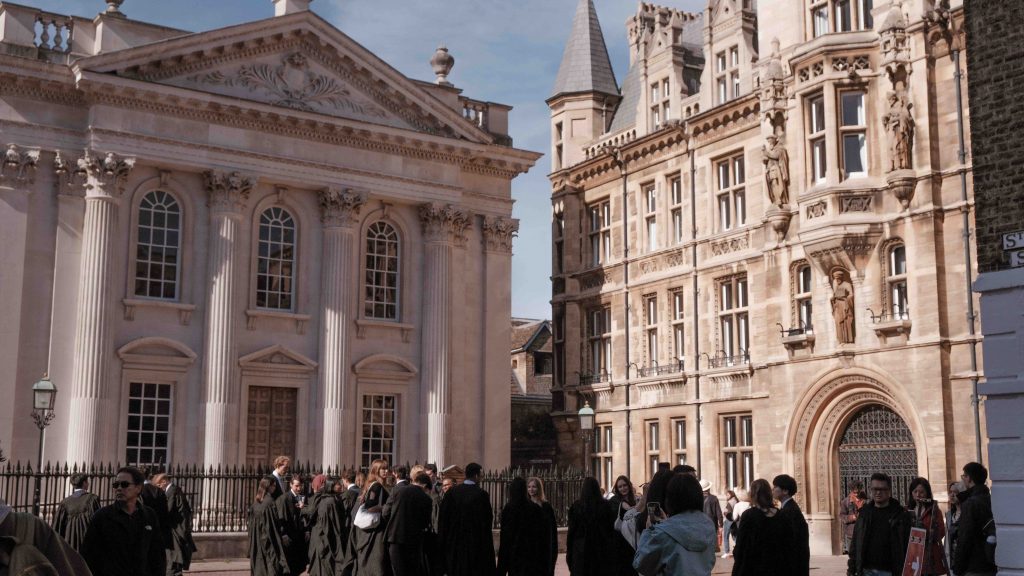
The Colleges
One of the strongest reasons Cambridge feels so familiar to Harry Potter fans is its collegiate system. There’s no Sorting Hat at Cambridge, but before the start of the first year, every student is assigned to 1 of 31 colleges, which becomes their academic and social home for the next three years
Over the years, each college has developed its own distinct culture,originating from the ideas and values of the initial college Masters. Each college has a set of colours, a unique crest, and long-standing traditions that new students must follow. Colleges often compete with one another in sports and academic achievements, creating a sense of rivalry and pride that wouldn't feel out of place at Hogwarts.
These colleges are spread throughout the medieval city, tucked between cobbled alleyways, old pubs, and quiet lanes that seem designed for wandering wizards. Many of these colleges are open to the public, offering plenty of opportunities for Harry Potter–inspired photo moments.
Formal Dinners
One of the most memorable features of Hogwarts life is the dining hall. Similarly, each college within Cambridge holds regular Formal Dinners, which closely resemble the dining experience at Hogwarts — minus the flying silverware.
The actual dining hall used in the Harry Potter films was at Christ Church College, Oxford. However, each Cambridge college is home to a similar hall, with wood-panelled walls covered in portraits of past scholars, professors, and patrons, where formal dinners take place.
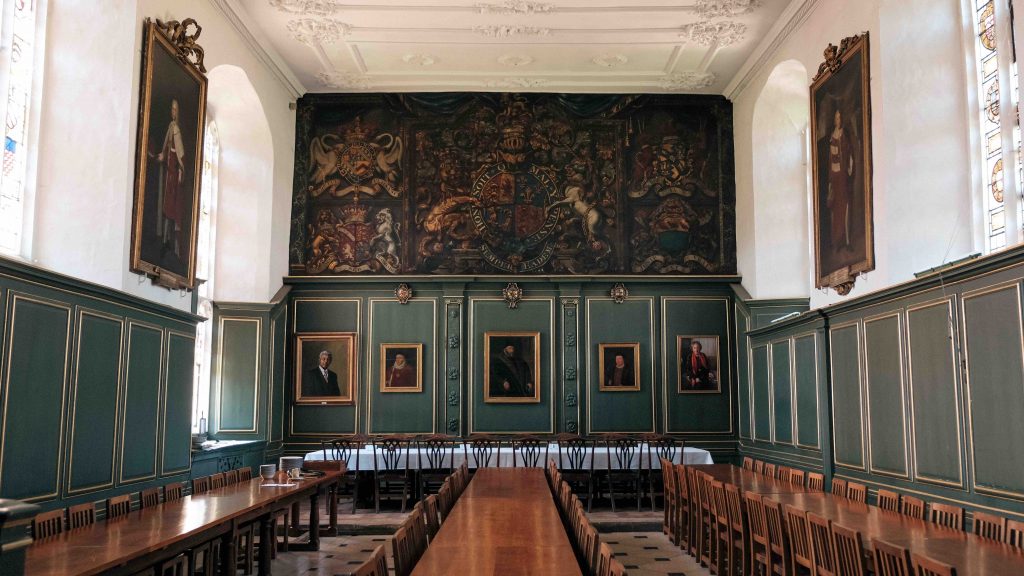
Formal dinners are often held by candlelight and begin with the formal announcement of the college professors, who sit at a high table and lead the meal with a Latin prayer. Academic gowns must be worn, with styles varying by college, faculty, and seniority.
Most college dining halls are closed to visitors; however, the halls at Pembroke College and Trinity College are sometimes open to the public.
Experience the Magic of Cambridge’s Architecture
Many of the college buildings at Oxford, where Harry Potter was filmed, were designed by the same architects responsible for some of Cambridge’s most iconic structures. With many buildings in both university towns constructed during the same era, and in some cases by the same architects, there are striking similarities between the real filming locations in Oxford and the magical atmosphere of the Cambridge colleges.
St.John’s New Court & Bridge of Sighs
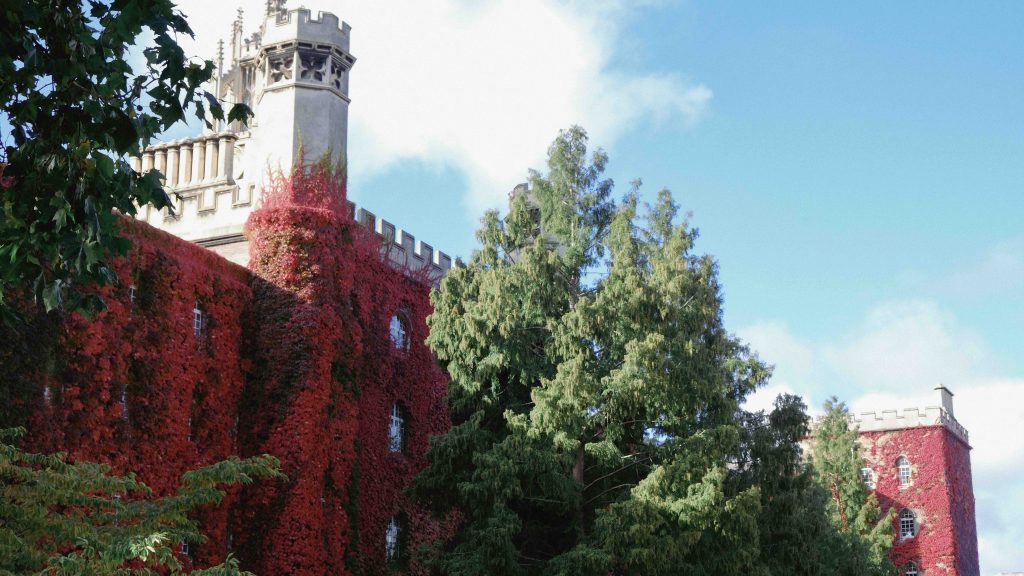
Often mistaken for Hogwarts—mainly due to a rumour spread by tour guides—the New Court building at St John’s is so convincingly magical that many visitors still assume Harry Potter was filmed here.
The New Court is connected to the older part of the college by the Bridge of Sighs, whose Gothic spires and architectural elegance further enhance the sense of magic throughout the college..
Trinity College and The Wren Library
The Large courts and stone façades of Trinity College are instantly recognisable to fans of the films.
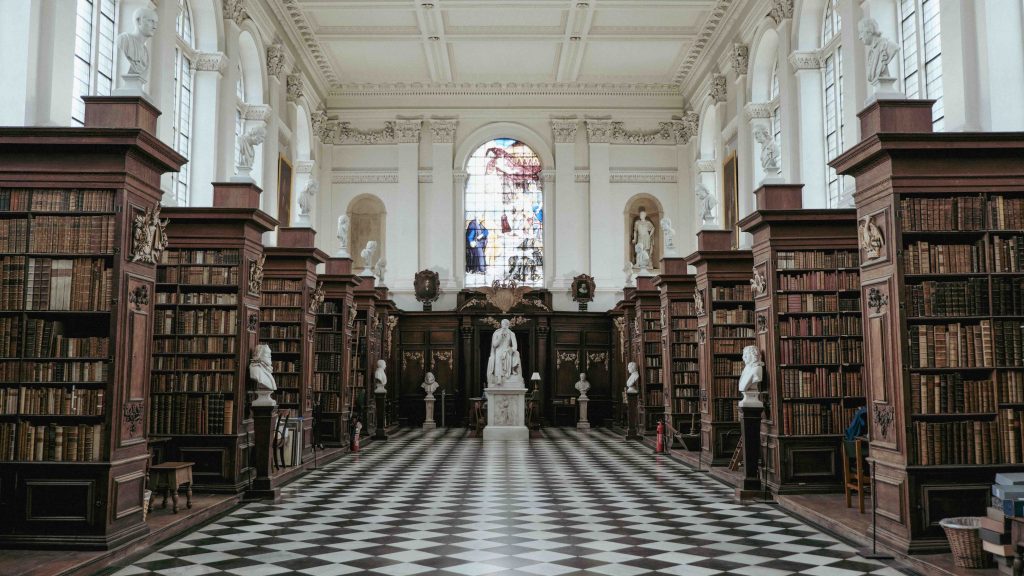
The Wren Library deepens that impression, with dark wooden shelves, historic interiors, and centuries-old books that feel as though spells and secrets might be hidden among the pages.
King's College Chapel
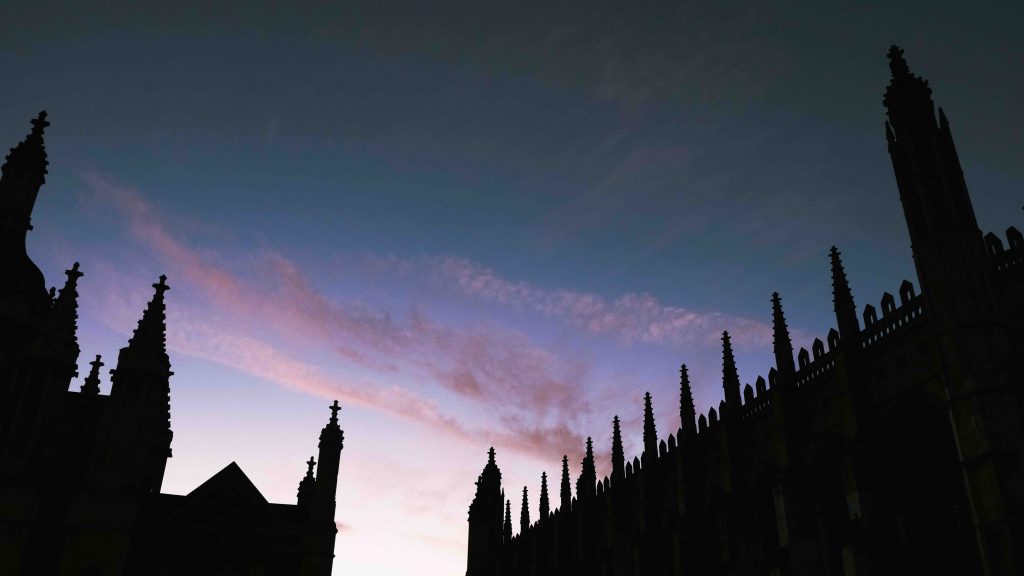
King’s College Chapel is one of the most memorable places to visit in Cambridge. During Evensong, the space fills with choral music that echoes beneath the vast stone ceiling, creating an experience that feels both peaceful and dramatic.
Rose Crescent and Green Street
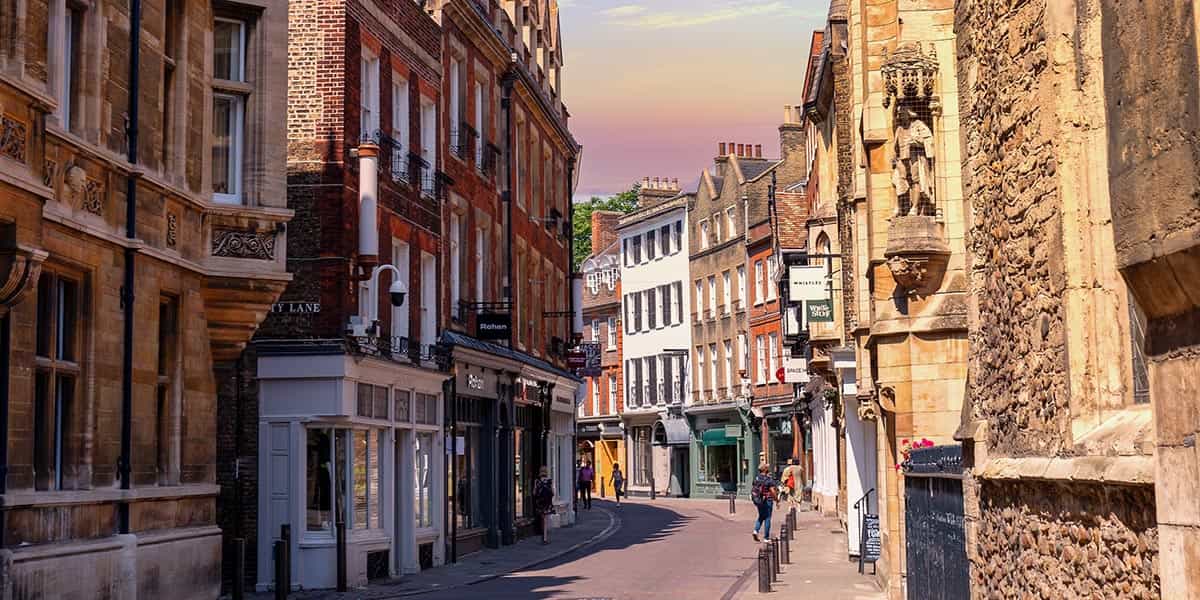
Rose Crescent and Green Street are narrow, cobbled streets that curve gently away from Kings Parade. Lined with independent shops which feel tucked away and slightly secret. Harry Potter gift shops sit alongside cafés and boutiques to create a magical storybook atmosphere.
Harry Potter Actors with Cambridge Connections
Cambridge also has direct links to the Harry Potter cast. Emma Thompson, who played Professor Sybill Trelawney, studied English at Newnham College, Cambridge, and was a member of the Footlights comedy group.
Eddie Redmayne, who played Newt Scamander in the Fantastic Beasts films, studied History of Art at Trinity College, Cambridge. Together, these connections add another quiet layer to Cambridge’s relationship with the wizarding world.
Real Harry Potter Filming Locations
From Cambridge, it is easy to travel to many of the real Harry Potter filming locations elsewhere in the UK.
London
London also features heavily. King’s Cross Station became the gateway to Platform 9¾ and remains the same station offering a one-hour direct train to Cambridge. Elsewhere in the city, Leadenhall Market was transformed into Diagon Alley.
Oxford
Oxford played a key role. Christ Church College inspired the Hogwarts dining hall, with its staircase used directly in filming. The Bodleian Library appeared as the Hogwarts library, while the Divinity School next door became Hogwarts Hospital.
Durham
Durham Cathedral was used as Hogwarts classrooms and cloisters, its Romanesque architecture perfectly suited to the wizarding school.
Further north
Alnwick Castle provided Hogwarts exteriors, including the scenes where students first learned broomstick flying.
Scotland
The Scottish Highlands provided the backdrop for some of the most iconic scenes in the series. Glenfinnan Viaduct appears repeatedly as the route of the Hogwarts Express, while the dramatic landscapes around Fort William were used during the Triwizard Tournament. Nearby Loch Shiel featured in the memorable scene where Harry flies Buckbeak.
The Magic of Cambridge
Cambridge may not have been a filming location for Harry Potter, but its atmosphere feels unmistakably magical. With Gothic spires, candlelit Formal Dinners, ancient libraries, and centuries-old college traditions, the city closely mirrors many of the most iconic elements of Hogwarts. Visitors can wander cobbled lanes between historic colleges, admire enchanting architecture such as King’s College Chapel and St John’s Bridge of Sighs, and experience the timeless rituals of university life that seem lifted from the wizarding world.
Beyond its own spellbinding setting, Cambridge is perfectly positioned for fans eager to explore real Harry Potter filming locations across the UK, from King’s Cross Station in London to Oxford’s Christ Church College and the Scottish Highlands. Add in connections to cast members who once studied at Cambridge, and the city’s link to the wizarding world becomes even more compelling.
For travellers seeking history, beauty, and a touch of magic, Cambridge offers an unforgettable experience — no wands required.
[post_title] => Harry Potter In Cambridge [post_excerpt] => [post_status] => publish [comment_status] => closed [ping_status] => closed [post_password] => [post_name] => harry-potter-in-cambridge [to_ping] => [pinged] => [post_modified] => 2026-02-25 16:05:03 [post_modified_gmt] => 2026-02-25 16:05:03 [post_content_filtered] => [post_parent] => 0 [guid] => https://www.remember-cambridge.co.uk/?post_type=article&p=829 [menu_order] => 0 [post_type] => article [post_mime_type] => [comment_count] => 0 [filter] => raw ) 1 -->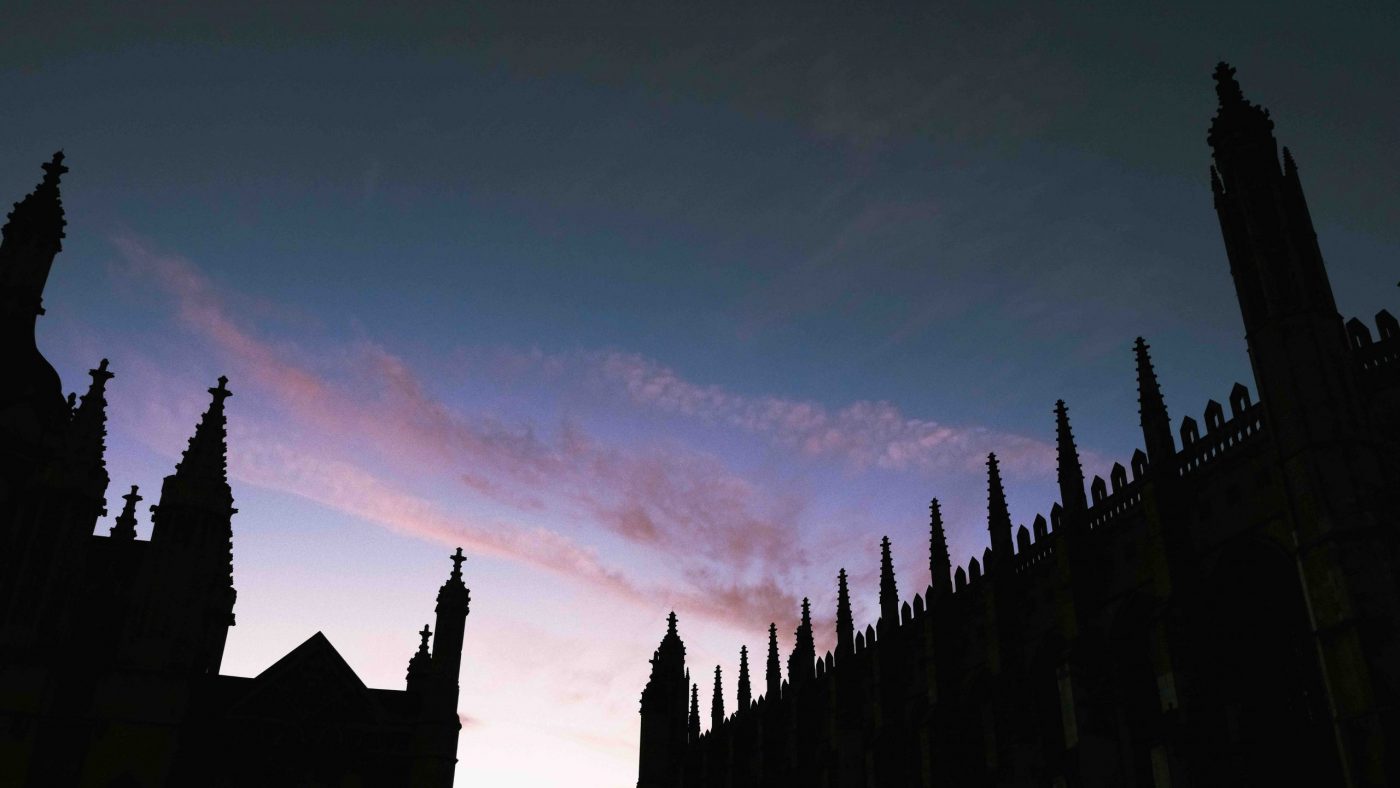
-
On the Shoulders of Giants : Newton, War & Modernity
-
Cambridge Town & Gown